





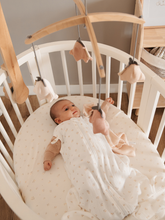
Motor exercises for the first months of life: tutorial with the Pediatric Physiotherapist!
May 26, 2025
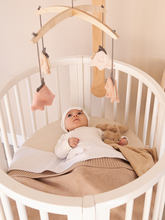
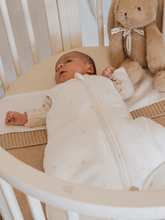
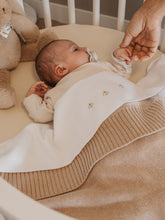
The first few months are crucial for the newborn's motor, sensory and emotional development. It is most important at this early stage to gradually start some motor activities, even with simple tools, such as a play mat, that can accompany him as he grows.
1. From birth: face-to-face exercises without external stimulation
Goal: Build the emotional bond with the parent
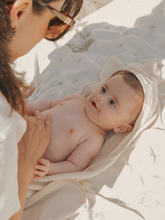
How to do it: lie your baby down on the carpet, or on a soft surface on his stomach, and position yourself in front of him. Speak to him or her in a soft voice, change expressions, move your face closer and farther away slowly. These face-to-face exercises help the newborn follow your movements, get used to your voice, and help him recognize emotions.
🔎 At this stage, the baby's attention span is still very limited, so prefer a mat without an arc or with a removable arc so the baby can focus on human contact.
2. From 3 weeks onward: stimulate rolling
Goal: Encourage early lateral movements and head turning
How to do it: place baby on his stomach on the carpet or a soft surface, again without an arch.
Take a noisy toy in your hand and place it in your baby's field of vision and start moving it slowly from to the right and left making sure your baby follows it with his head. Depending also on your baby's preferred side, encouraged to turn to the opposite side with the same exercise.
✅ Alternative: also try placing him on his side, again safely, for brief moments to stimulate balance and perception of his own body.
3. From the first month onward: daily tummy time
Goal: Strengthen the neck, back and shoulders.
How to do it: on your stomach, start with a few minutes at a time, place the baby on the mat. You can stand in front of him, with your face at his eye level, or use a small soft pillow to lightly support him. Start with short sessions (2-3 minutes), gradually increasing.
📌 Tip: Choose a rug with comfortable padding and stable surface to prevent slipping and ensure comfort.

4. From the second month: first toys with the bow.
Aim: To stimulate coordination and curiosity.
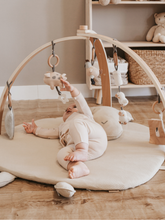
How to do it: now is the time to use the play mat equipped with an arc, but with few objects suspended so as not to overstimulate the baby. Position the toys so that the baby can observe them and touch them with his little hands. This exercise will help him develop hand-eye coordination and spatial perception.
💡 Tip: Alternate positions (belly up, on your side, short belly-down sessions), also varying the position of toys to stimulate movement and attention from multiple angles.
5. Around 3-4 months: free movement and first interactions
Goal: Encourage independence and exploration.
How to: leave ample space on the mat for baby to move freely: roll over, push with legs, grab toys placed a little further away. Add surfaces with different textures to stimulate touch and the pleasure of discovery.
📹 TUTORIAL - Exercises for the first few months with the Pediatric Physiotherapist
Did you miss our last webinar? No problem!
You can review it conveniently whenever you want by clicking on this link.
You will find an exercise session led by Pediatric Physiotherapist Francesca Rocchi, who will show us how to practice some motor activities according to your child's age of development.